
Reactive Compromise Assessment
A rapid forensic sweep after a suspected compromise, run to determine scope and root cause quickly so containment decisions can be made with evidence, not guesswork.
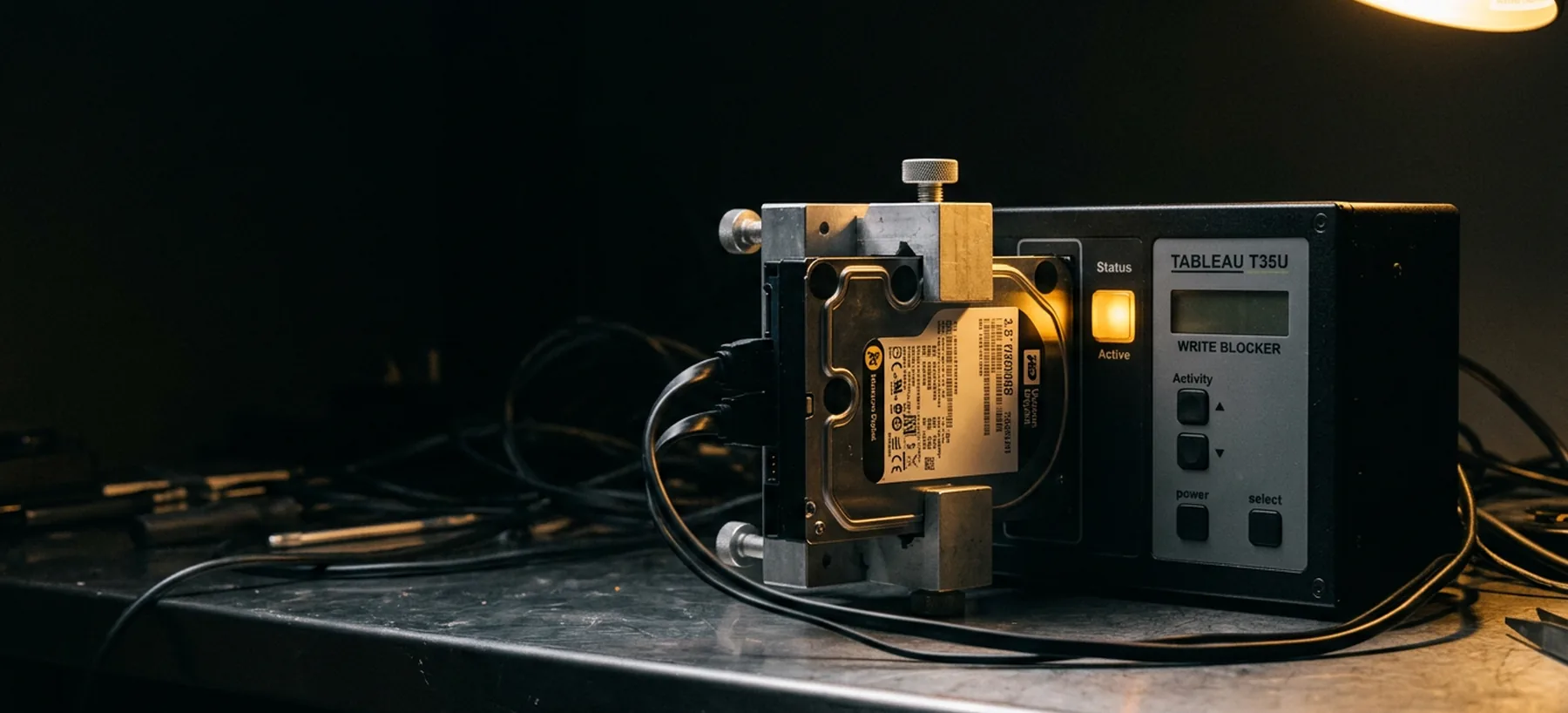
A focused investigation, not a broad response.
Uses digital forensics, incident response, and threat intelligence to pinpoint root cause, assess damage, and determine containment and remediation steps, distinct from broader incident response management.
Deliverables.
What this closes.
A suspected breach needs scope confirmed before containment decisions can be made.
Without a fast, structured response, evidence can be lost or overwritten.
Internal teams under pressure often miss the full extent of an intrusion.
Where this connects.
Incident Response Retainer
Puts this team under contract in advance, so the investigation starts without procurement.
Proactive Compromise Assessment
The same sweep run on a schedule, before there is a suspected breach to investigate.
Compromise Assessments
The consulting engagement version, with a remediation plan and follow-up review.
Common questions.
When should we engage this?
After a suspected compromise, when the scope and root cause need to be established before containment decisions can sensibly be made.
How quickly does it start?
Within hours. That speed matters because evidence can be lost or overwritten while a response is still being organized.
What disciplines are involved?
Digital forensics, incident response, and threat intelligence, combined to pinpoint root cause, assess damage, and determine containment and remediation steps.
Is this the same as incident response management?
No. This is a focused forensic investigation into what happened and how far it reached. It is distinct from broader incident response management, and the two are often run alongside each other.